

Smart Home Devices Lasting Over Five Years: A Guide
Table of Contents
- Why Some Smart Home Devices Last Over Five Years
- The Smart Home Interoperability Standards That Prevent Early Obsolescence
- Local Control vs Cloud-Based Smart Home: Which Lasts Longer?
- Understanding the Smart Home Device Software Support Lifecycle
- How to Spot Signs of Ageing in Your Smart Devices
- Maintenance Tips to Extend the Life of Your Smart Home Gear
- Build a System Built to Last with DigIoT
- Frequently Asked Questions
Last Updated: 6 September 2026
Why Some Smart Home Devices Last Over Five Years
The durability of smart home devices is rarely about luck. A smart home device lasting over five years typically comes down to three factors: the quality of the hardware components, the manufacturer's commitment to software updates, and whether the device relies on open interoperability standards rather than a proprietary ecosystem.
Most people assume that a £50 smart plug should last as long as a £500 appliance. The reality is different. The cheapest gadgets often use inferior capacitors and power supplies that degrade within two or three years of continuous use. Devices built with industrial-grade components, like the Shelly relay modules we stock, routinely outlast consumer-grade alternatives by a significant margin.

The other factor is architectural. A device that depends on a manufacturer's cloud server for basic functions has a hidden expiry date. When that company stops maintaining the server, the device becomes a brick. Devices that support local control and open standards avoid this fate entirely.
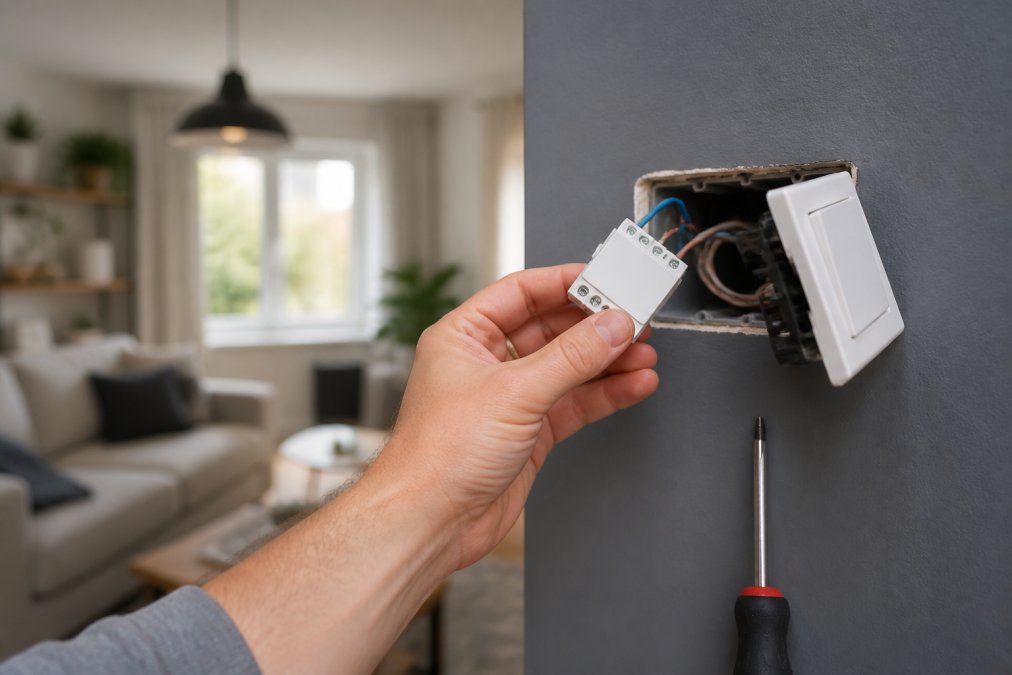
The Smart Home Interoperability Standards That Prevent Early Obsolescence
Matter, Zigbee, Z-Wave, and Wi-Fi are the four standards that determine whether your smart home devices will still be useful in five years. Matter is the newest and most significant: it is an open standard backed by the Connectivity Standards Alliance, designed so devices from different manufacturers work together natively.
The practical implication is straightforward. A Matter-certified device from one brand will communicate with a Matter-certified hub from another. You are not locked into a single vendor's ecosystem. Zigbee and Z-Wave have been around for over a decade and remain widely supported, though Z-Wave operates on a licensed frequency band that requires certification. Plain Wi-Fi devices work with almost any router but can congest your network as you add more.
When you are evaluating whether a smart home device will last over five years, check which standards it supports. The Connectivity Standards Alliance documentation on Matter explains how the standard ensures cross-manufacturer compatibility. Devices that support multiple standards offer the most flexibility if you change hubs or platforms later.
Local Control vs Cloud-Based Smart Home: Which Lasts Longer?
Local control wins on longevity, and it is not close. A locally controlled smart home device keeps functioning when your internet connection drops and when the manufacturer goes out of business. Cloud-based devices stop responding if the servers go down, the company shuts its doors, or you cancel a subscription.
The trade-off is convenience. Cloud-based systems are often easier to set up initially, and their companion apps work anywhere in the world. Local control requires a hub or controller on your network, such as Home Assistant or a Zigbee coordinator, and configuration can be more technical.
For privacy-conscious homeowners, local control also means your usage patterns are not being logged on a remote server. That matters when you are installing devices that track when lights turn on, doors open, or appliances run. A locally controlled system keeps that data in your home.
Understanding the Smart Home Device Software Support Lifecycle
Every smart device has a software support lifecycle, and it is often shorter than the hardware's physical lifespan. Manufacturers typically provide firmware updates for three to five years after release, though some extend support longer for popular models. After support ends, security vulnerabilities go unpatched, and compatibility with new standards degrades.
This is the smart home device software support lifecycle in practice: hardware works, software stops, device becomes vulnerable. The solution is to buy from manufacturers with a track record of long-term support. Shelly, for instance, has continued updating devices released several years ago, and their products support local API access so you retain control even if their cloud service changes.
Before purchasing, check the manufacturer's support history. A company that abandoned its previous generation of devices within two years will likely do the same with the current one. The UK government's guidance on smart device security outlines the security requirements that smart products must meet, which is a useful baseline for assessing manufacturer commitment.
How to Spot Signs of Ageing in Your Smart Devices
Smart home devices rarely fail suddenly. They degrade gradually, and recognising the early signs can save you from a complete failure at an inconvenient moment.
Common indicators include:
- Intermittent connectivity: The device drops off the network periodically, requiring a reboot to reconnect.
- Slower response times: Commands take several seconds longer to execute than when the device was new.
- Firmware updates stop: No updates for over a year often signals the end of active support.
- Increased power consumption: If you have energy monitoring, you may notice the device drawing more power in standby.
- Physical wear: Faded LEDs, loose buttons, or a warm casing indicate component stress.
When these signs appear, assess whether the device still meets your needs. A plug that occasionally drops offline may be acceptable for a lamp but not for a security-critical application like a boiler controller. Replacing a failing device proactively is cheaper than dealing with the consequences of a sudden failure.
Maintenance Tips to Extend the Life of Your Smart Home Gear
Regular maintenance can meaningfully extend the working life of smart home devices. The most effective measures are simple and take minutes to perform.
First, keep firmware updated. Manufacturers release patches that fix security holes and improve stability. Set aside time monthly to check for updates in your companion apps.
Second, protect devices from power surges. Many smart devices lack strong surge protection. Using a good quality surge-protected extension lead for plug-in devices, and ensuring wired relays are installed by a qualified electrician, prevents damage from voltage spikes.
Third, manage network congestion. A home with dozens of Wi-Fi devices will experience interference. Offload smart devices onto a dedicated IoT network or use Zigbee/Z-Wave mesh networks, which handle many devices more gracefully. The IET Wiring Regulations guidance on smart home installations provides useful context on safe and reliable installation practices in UK homes.
Finally, keep devices clean and ventilated. Heat is the enemy of electronics. Avoid enclosing smart devices in tight, unventilated spaces where heat builds up.
Build a System Built to Last with DigIoT
Choosing smart home devices that will last over five years requires shifting your mindset from buying individual gadgets to building a coherent system. Standards matter more than brand names. Local control matters more than cloud convenience. And the manufacturer's commitment to software support matters as much as the hardware specification.
DigIoT simplifies this process for UK homeowners. We curate a selection of standards-driven smart home devices from leading brands like Shelly, focusing on gear that supports Matter, Zigbee, and Wi-Fi without forcing you into a proprietary ecosystem. Our plain-English advice helps you choose devices that work with what you already own, and our support team is available if you get stuck.
For example, the Shelly 1PM Gen3 WiFi Operated Smart Switch with Power Metering (£14.96) installs behind existing light switches to add smart control and energy monitoring without replacing your fixtures. The Shelly Plus WiFi Operated Smart UK Plug (£23.64) offers the same local-first reliability for any appliance. Both support local control, meaning they keep working even if internet or cloud services fail.

There are no forced subscriptions and no vendor lock-ins. You buy the hardware, and it is yours to control. That is how a smart home should work.
Frequently Asked Questions
How can I tell if a smart home device will last for five years?
Look for devices that support open standards like Matter, Zigbee, or Z-Wave rather than relying on a single brand's proprietary app. Check the manufacturer's track record for firmware updates and security patches. Devices that support local control, such as the Shelly 1PM Gen3, are less likely to become obsolete if a company discontinues cloud services.
Do smart home devices become obsolete after a few years?
They can, especially if they depend on a cloud service that a manufacturer may shut down. However, smart home devices lasting over five years are common when they use open standards and support local control. Choosing hardware that operates over Wi-Fi, Zigbee, or Z-Wave without mandatory cloud dependency gives you control over its lifespan and avoids forced obsolescence.
What is the smart home device software support lifecycle?
This refers to the period a manufacturer provides firmware updates, security patches, and bug fixes for a device. A longer software support lifecycle is critical for longevity and security. Before buying, check how long the brand has supported previous generations of products. Brands like Shelly have a strong history of updating devices for years, which helps ensure your smart home devices last beyond five years.
Are subscription-based smart devices worth the long-term investment?
Often, no. Subscription fees add up over time and can make a device feel like poor value. More importantly, if you stop paying, the device may lose core features. For long-term value, look for devices with no forced subscriptions. A £14.96 Shelly 1PM Mini provides local control and power metering without any recurring costs, making it a more sustainable investment for your smart home.
Building a smart home that lasts is about avoiding short-term thinking. The cheapest device today is often the most expensive one in five years when it fails or becomes unsupported. DigIoT's curated selection focuses on reliable, standards-driven hardware with genuine local control, backed by plain-English advice and ongoing support. Get started with DigIoT and build a system that works today and in a decade. Show me the goods